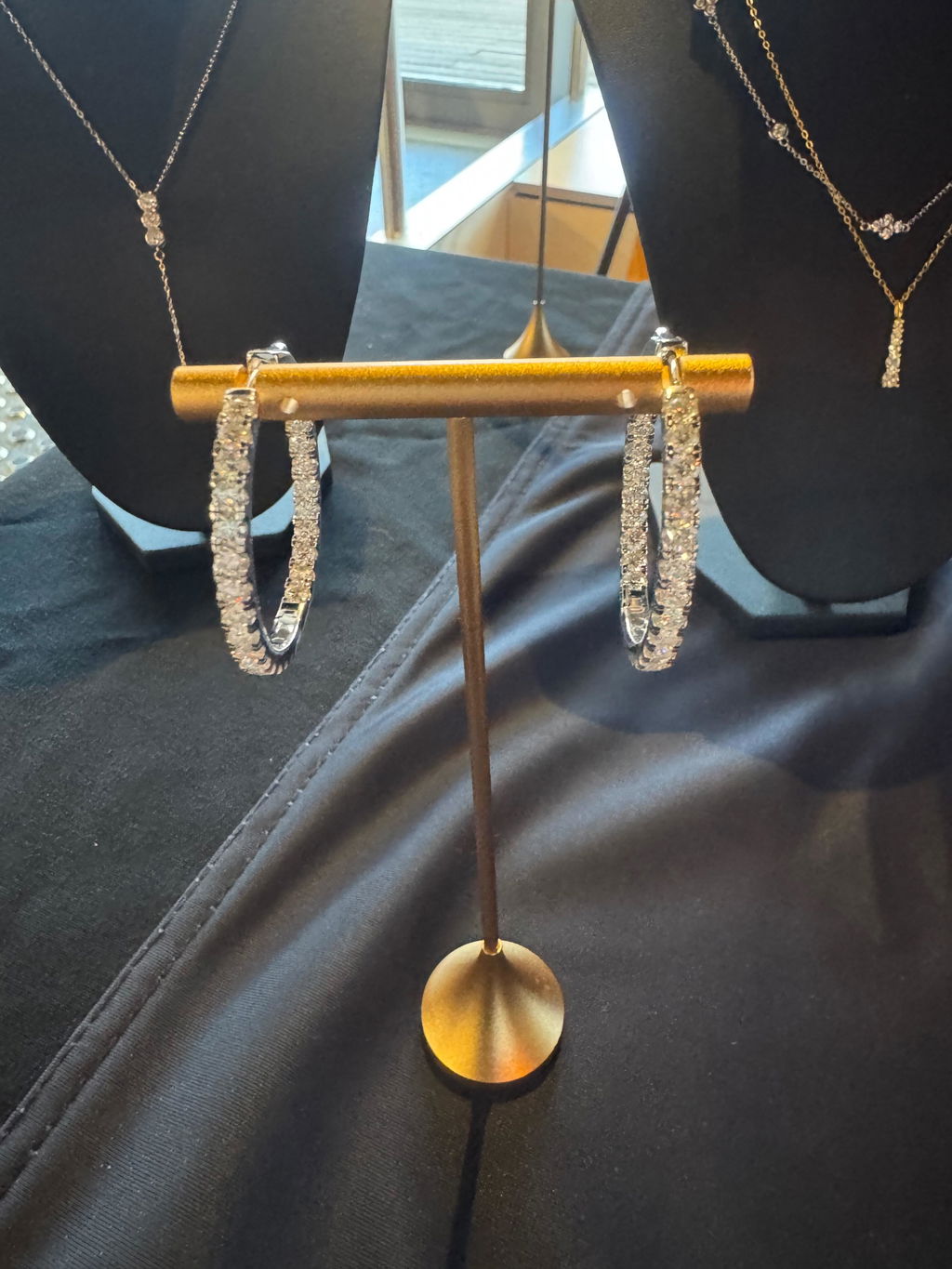
Fine Jewellery vs Fashion Jewellery: What's the Real Difference?

Fine jewellery with sapphire necklace and rings on bridal outfit

Can you remember walking around Melbourne or Sydney, browsing on your computer or in some shop, and seeing two rings that look extremely similar, but while one of them costs $35, the other can cost up to $650?

That is one of the most typical problems in the accessories market. On the surface, the rings can be very similar with their golden shine and sparkling stones, but the real difference lies in the heart of each accessory.

At Prism and Pearl, we get queries from our customers on whether spending more on fine jewellery at the beginning is really worth it, or whether fashion jewellery based on current trends would do just fine. The main factors that distinguish these types of jewellery are four major pillars: materials, workmanship, durability, and value for money. In this complete guide, we cover all aspects of this subject in order to help you make better decisions.

What is Fine Jewellery?

Fine jewellery is created only using pure precious metals such as solid gold, platinum, and sterling silver with natural or very high-quality gemstones and real pearls. Made to last, fine jewels do not cause allergic reactions, resist corrosion, can be repaired, and are meant to be preserved over many generations.

The philosophy of Prism & Pearl is all about the durability of natural materials. The essence of fine jewellery is embodied only in its inner qualities. Unlike inexpensive accessories, our products are made of rare metals that never lose their integrity.

What is Fashion Jewellery?

Fashion jewellery, commonly known as costume jewellery, is crafted out of non-precious metals, including brass, copper, or zinc-based alloys, generally coated in a thin layer of gold or silver. Fashion jewellery consists of man-made materials such as cubic zirconia and acrylics, and is created for temporary use.

In the world of fashion, fashion jewellery has its role: affordability and experimentation with the latest trends. This allows individuals to experience aesthetic movements without spending a significant amount of money.

Key Characteristics of Fashion Jewellery:

Base Metal: Made of inexpensive metals, including brass, copper, nickel, pewter, or stainless steel.

Surface Plating: Coated with a flash plating of precious metals that may be thinner than 0.5 microns and slowly worn off over time.

Synthetic Gems: Contains glass, plastic, acrylic, or man-made cubic zirconia that is secured using adhesives and not prongs.

Temporary Jewellery: Susceptible to oxidation, tarnishing, and wear; these cannot usually be resized or repaired.

At a Glance: Fine Jewellery vs Fashion Jewellery

So that you can easily evaluate your options, here is an outline of the major distinctions among the various purchasing considerations:

Feature Fine Jewellery Fashion Jewellery
Core Metals ✨ Solid Gold (9k–24k), Platinum, 925 Sterling Silver Brass, Copper, Zinc Alloy, Stainless Steel
Gemstones 💎 Natural/Lab Diamonds, Sapphires, Pearls, Natural Gemstones Cubic Zirconia, Glass, Crystals, Acrylic
Average Lifespan ✔ Decades to generations (Heirloom quality) 3 months to 2 years (Trend-dependent)
Skin Friendliness ✔ Hypoallergenic (Safe for sensitive skin) May cause skin greening or allergic reactions
Water Resistance ✔ High (Resistant to water and daily wear) Low (Water strips plating and causes rust)
Repairability ✔ Can be resized, re-plated, and soldered None (Adhesives and base metals melt under heat)
Value Retention ✔ Retains intrinsic precious metal and stone value Zero resale or commodity value
Primary Intent Milestones, everyday luxury, lasting gifts Seasonal trends, costume wear, quick styling

Material Deep Dive: Metals, Gemstones, and Plating

The real worth of any jewellery lies in the purity of its composition. Let’s examine in detail how fine and fashion materials behave in practical applications.

1. Precious Metals vs. Base Metals

These metals occur naturally in the form of chemical elements that are known for being rare, having a brilliant sheen, and being highly resistant to corrosion.

Solid Gold: The purity of gold is expressed in terms of carats (k). Pure gold is 24k; however, it is very soft, and hence it is usually mixed with other metals such as silver, copper, and zinc to enhance its hardness. The 14k and 18k varieties are known worldwide as the luxury standard because of their beauty and durability.

Sterling Silver: Identified by 925 stamping, sterling silver is an alloy composed of 92.5% silver with the other 7.5% being copper. This will give you the best precious metal for its cost-effectiveness.

Platinum: An exceptionally heavy metal that maintains its weight regardless of how much it is scratched. To know more about comparing these fine precious metals, take a look at platinum vs gold jewellery and which one you should choose.

Brass and copper are examples of base metals that corrode easily when exposed to elements such as moisture, sweat, and oxygen. Based on Geoscience Australia's data, oxidation occurs quite fast, leading to the formation of the green or black colour seen on the skin.

2. Understanding the Plating Spectrum

Plated jewellery is not always created equal. Understanding these distinctions will help you avoid regretting your purchase after buying:

Fashion Gold Plating (Flash Plating): An extremely thin gold coating, measuring around 0.175 to 0.5 microns, electroplated on a brass or nickel base. This layer gets stripped off rapidly, usually within a couple of weeks of normal wear.

Gold Vermeil: A superior process for high-end jewellery. Gold vermeil involves depositing a significant amount of genuine gold (at least 2.5 microns) on a solid sterling silver (925 parts per thousand) base through electroplating.

Gold Filled: A process in which a thick layer of gold is metallurgically fused with a brass base using heat and pressure. It uses much more gold than the flash plating process.

3. Natural Gemstones vs. Synthetic Simulants

The basis of fine jewellery is stones that have either been mined or grown responsibly from the earth, and whose strength and brilliance make them unique. According to the definition of the GIA standards for gems, the hardness of natural sapphires, diamonds, and rubies ranges between 8 and 10 on the Mohs hardness scale, which provides these stones with scratch-resistance properties.

Fashion jewellery pieces use cubic zirconia (CZ), glass, or resins. Even though cubic zirconia can be similar to diamonds in terms of clarity, it is fairly soft, having only an 8 Mohs rating and being porous. As the CZ gets older, it will absorb body oil, soap, and lotion and become cloudy.

Skin Health and Hypoallergenic Qualities

Have you ever put on a piece of jewellery only to find a green ring formed around your finger, or have itchy ears at night? This would be one of the most obvious ways to differentiate between fine jewellery and fashion pieces in practice.

Green staining is caused by the reaction of the sweat that is acidic in nature with the metal in the base, which is copper. The fashion jewellery contains some amount of nickel in it, which is known to be one of the major worldwide causes of allergic contact dermatitis.

At Prism and Pearl, our range of jewellery products is crafted with skin care in mind. Fine metals like solid gold, platinum, and sterling silver are non-reactive and hypoallergenic.

Durability and Repairability in Australian Conditions

The environment in Australia, with hot and humid summers in Queensland, as well as relaxing by the beach in Sydney and Perth, is especially harsh on accessories because saltwater, humidity, sun lotions, and swimming pools' chlorine function as corrosive agents against inexpensive metals.

Precious jewellery is resistant to daily wear because precious metals are immune to corrosion and won’t chip when exposed to moisture. When a chain made of solid gold breaks or when a gemstone falls out of an 18k gold ring, the repair will be accomplished through re-soldering of the chain and replacing of the stone with the help of a bench jeweller.

The fashion jewellery cannot survive the high temperature involved in the process of soldering due to the fact that the heat will evaporate the plating and may even melt the metal components and imitations of gemstones. Fashion jewellery is irreplaceable after damage or corrosion.

Value Retention and Cost-Per-Wear Realities

The popular idea is that fashion jewellery is always the more economical choice. However, when considering Cost Per Wear (CPW) over a number of years, the story takes a completely different turn.

Real-World Cost Comparison:

The Fashion Path

You purchase a fashion ring that costs $40, and within four months of wearing it constantly every day, including washing your hands and applying hand cream, the coating wears away and leaves the grey metal exposed. You buy another one. After three years of buying six more rings, you spend a total of $240 for an object that always ends up in landfills.

The Fine Jewellery Path

You select either a 14k gold or sterling silver ring from our collection of Fine Jewellery worth $450. Over thirty years of constant wearing, whether taking showers, swimming, or going about your daily activities, your cost-per-wear becomes less than $0.15 per day. Even the metal retains its inherent value as a commodity and is traded by organisations like the World Gold Council.

There is real value being transferred when it comes to fine jewellery; value that may even be an heirloom for future generations.

How to Decide: A Practical Buying Decision Framework

It does not matter whether it is fashion versus fine art or fine art versus fashion because both have their role in your wardrobe.

Choose Fine Jewellery When:

  1. You want daily essentials.
  2. You are celebrating milestones.
  3. You have sensitive skin.
  4. You are purchasing a meaningful gift.

Choose Fashion Jewellery When:

  1. You are testing an extreme micro-trend.
  2. You need costume pieces for a single event.
  3. You are travelling to high-risk environments.

Common Misconceptions About Jewellery

Myth 1: "All Gold-Coloured Jewellery Is the Same"

Fact: Gold-coloured fashion products get their golden colour either from the application of yellow dye on the surface or gold plating in very thin layers on metals like copper and brass. On the other hand, gold jewellery contains gold metal within itself and thus does not lose its identity upon being scratched.

Myth 2: "Fine Jewellery Is Far Too Delicate for Everyday Life"

Fact: On the contrary, the truth is. Valuable metals like 14k gold, 18k gold, and 925 sterling silver are made in a way that makes them able to withstand everyday use better than plated metals can.

Myth 3: "Fashion Jewellery Cannot Look High-End"

Fact: While modern fashion jewellery might look beautiful on the first day, there is something that really sets it apart from fine jewellery, and that is how well they hold their charm over time.

How to Care for Your Fine Jewellery Collection

Here are some tips on how you can make your investment last forever:

Clean with Warm Soap & Water: Immerse your pieces of fine silver and solid gold in warm water with a gentle detergent that will help break down the accumulation of oil and lotion. Scrub around the setting using a soft-bristled brush.

Store Pieces Separately: While gemstones may be tough, diamonds can scratch other gemstones or metals that are less hard than they are. Always keep your fine jewellery in its own compartments and keep each piece separate from one another.

Avoid Harsh Chemicals: Take off your jewellery before you jump into a pool that is treated with chlorine. Also, avoid the use of household products such as bleach.

Professional Inspections: Visit your bench jeweller to have the stone prongs and clasp inspected annually or biannually.

The Final Verdict

Knowing how to tell fine and fashion jewellery apart is knowing how to choose between convenience and quality that will last. While fashion jewellery provides easy styling options, fine jewellery is all about investing in durability, comfort, workmanship, and style that will last for many years.

At Prism and Pearl, we combine elegant designs to honour all those special moments in life. It invites customers to see our selection of exquisite gold, sterling silver, and pearls that will shine brightly not only today but many years into the future.

Frequently Asked Questions

What makes jewellery classified as fine jewellery?

High-end jewellery is set apart because of the vital material used to create it. This includes using precious metals such as solid gold, platinum, or sterling silver 925, in addition to being decorated with real gemstones and natural pearls.

Will fine jewellery turn my skin green?

No. Pure gold jewellery, platinum jewellery, or even sterling silver jewellery will always be inherently hypoallergenic, meaning it does not contain any allergens like brass or nickel. This jewellery will not stain your skin or give you any rashes when you wear it.

Can fashion jewellery be repaired if it breaks?

Normally not. Fashion jewellery consists of basic metals with a lower melting point that are glued using an adhesive material. Using the conventional soldering flame would affect these metals or even synthetic gemstones.

Is gold vermeil considered fine jewellery or fashion jewellery?

Vermeil gold is the best demi-fine piece of jewellery. It has an entirely solid base made of 925 sterling silver, which is then covered with a thick layer of genuine gold (2.5 microns thick).

Why is 14k gold preferred over 24k gold for fine jewellery?

The purest form of gold, 24K, is very soft and is easily bent during regular wear and tear. In comparison, 14K gold combines 58.3% of gold with alloys to create a perfect blend between colour and toughness to scratches.

How do I identify genuine sterling silver fine jewellery?

When examining the jewellery, make sure to look for the hallmark of the manufacturer. The hallmark would either contain the number 925, the word STERLING, or even STER on genuine sterling silver.