Platinum vs Gold Jewellery: Which One Should You Choose?

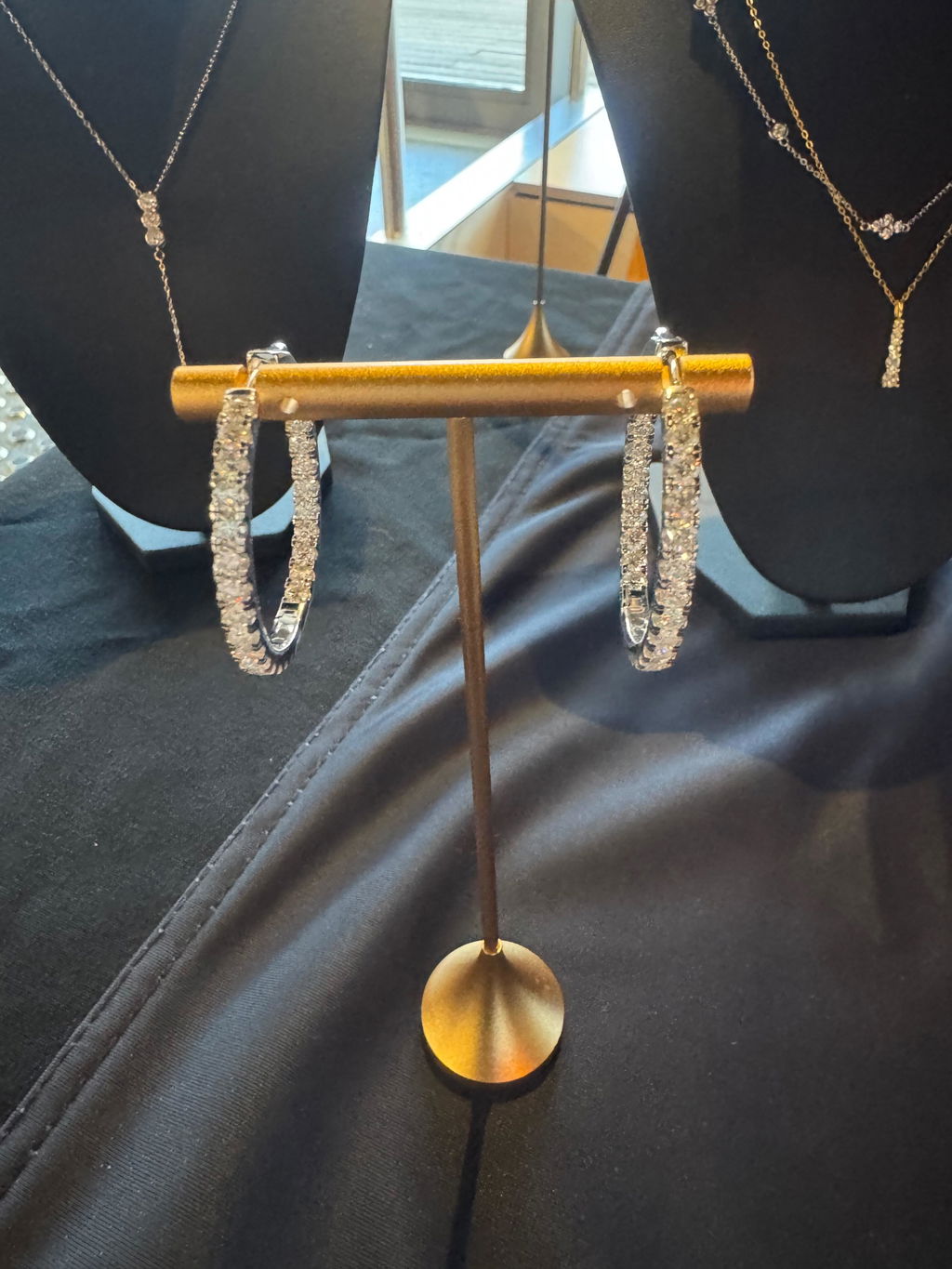
Gold vs platinum jewellery display in store window in Australia .

The choice of metal when creating your heirloom pieces is an important consideration. You might compare two rings that look almost the same. But one costs much more than the other. It can be confusing to figure out why. Or you could be faced with choosing metals when customising a jewellery piece and trying to decide which will really last. This is the challenge that couples pose to us at Prism and Pearl.

We know it may seem like an overwhelming topic. Both materials symbolise luxury and devotion in history. However, beneath their shiny surfaces, they respond differently to years of daily use. This definitive guide will help you compare their durability, price point, care, and how well each is suited for everyday wear.

What is the Best Metal for Jewellery?

Platinum is naturally durable and heavy. It's also hypoallergenic, making it the best metal for everyday wear throughout life. Being more traditional in its charm, gold is available in various colours, can be easily resized, and is more affordable. Choose platinum for durability and convenience. Go for gold if you want classic elegance and lower initial costs.

At a Glance: Platinum vs Gold Comparison

Comparing platinum against gold is made easier by comparing them together. Here is an analysis of how each one stands up to the other on critical aspects.

Feature

Platinum

18K Gold

14K Gold

Price

Highest initial cost

Moderate to high

Most affordable

Durability

Extremely high

Moderate (softer)

High (harder than 18K)

Weight

Very dense and heavy

Moderately heavy

Lighter than 18K

Purity

Typically 95% pure

75% pure

58.3% pure

Appearance

Bright white, develops patina

Yellow, white, or rose

Yellow, white, or rose

Maintenance

Low (polishing optional)

High for white gold (rhodium)

High for white gold

Scratch Resistance

Scratches, but metal displaces

Scratches, and metal is lost

More scratch-resistant

Hypoallergenic

Yes (virtually 100%)

May contain nickel/copper

May contain nickel/copper

Best Use

Engagement rings, heirlooms

Fine jewellery, wedding bands

Everyday jewellery

Resale Value

Lower percentage of retail

Higher percentage of retail

Good percentage of retail

What is Platinum Jewellery? 

Platinum is a natural metal that has a natural whiteness, very high density, and extreme durability. Platinum is mostly used to make jewellery, and it is usually 95% pure (the marking on jewellery is 950 PT). There are no signs of fading or tarnishing on this metal.

Platinum is said by the Platinum Guild International to be thirty times less common than gold. If you put all the platinum that has ever been mined in an Olympic-size pool, it would not even reach your ankles. Such rarity and purity have made platinum quite costly. Additionally, since platinum is denser, a platinum ring is bound to weigh more than an equivalent 18K gold ring.

It is an extremely dense material that is white in colour naturally and extremely durable. It contains 95% purity and is extremely hypoallergenic. Its strength makes it suitable to hold diamonds and other precious stones in place throughout life.

What is Gold jewellery?

Gold is an eternal, extremely pliable yellow metal. 24-carat gold is too soft for regular jewellery. So, it's mixed with metals like copper, silver, or palladium. This creates harder options, such as 18-carat gold, which has 75% pure gold, and 14-carat gold, which has 58.3% pure gold.

Gold is very flexible. Jewellery makers can use different compositions of alloys to make many colours. For example, by combining gold and copper, you get pink gold, and by mixing gold with white metals, like nickel or palladium, you get white gold. As reported by the World Gold Council, gold is very flexible, which makes it easy for jewellery makers to cast and reshape.

Gold is a multipurpose and timeless precious metal that is combined with other metals in order to increase its durability. It can be found in yellow, white, and rose hues, offering a wider range of options depending on the gold's purity level.

Platinum vs Gold: An In-Depth Comparison

Once you are geared up for buying gold and silver jewellery, it is necessary to know about their durability. In the following sections, we have listed some of the most frequently asked questions from our customers.

Which Lasts Longer?

Both platinum and gold are rare metals which, with proper care, can last for numerous lifetimes. Nevertheless, when speaking about endurance and durability, platinum wins.

Platinum is much denser and stronger. If a gold ring gets scratched or hits something hard, it will lose small pieces. These pieces can't be recovered. With time, the band of a gold ring will become thinner and thinner until its shank has to be rebuilt.

However, when platinum scratches, there is no wear; rather, the platinum moves. The top layer moves slightly to form a frosted appearance, giving the metal a soft, satin look. A platinum ring will weigh about the same and maintain its structure fifty years from now as it did when you first purchased it.

Expert Tip: Being active, whether surfing the Gold Coast or using your hands, makes platinum the best choice for jewellery. Its prongs won't bend or break, so your stones stay secure.

Which Costs More?

Despite the fact that platinum usually has a higher cost than gold at its outset, many people do not understand why this occurs.

This does not have to do with the actual cost of platinum per ounce being higher than gold; in some instances, it may actually be more expensive for gold than platinum when raw. It has everything to do with density and purity of manufacture.

  • One reason platinum jewellery costs more is its higher density compared to gold. 
  • Another is that while platinum jewellery is 95% platinum, 18K gold jewellery is only 75% gold.
  • The last reason is that it takes a lot of effort to craft platinum jewellery because of its strength.

Which Scratches Easier?

Here is where the distinction between hardness and durability comes into play.

According to the Mohs hardness scale of mineral hardness, platinum is less hard than both 14K and 18K gold. Thus, if you get your platinum ring polished, you'll have scratches on its surface sooner than those on your 14K gold ring.

Nonetheless, as pointed out earlier, platinum is easier to scratch but not to wear out. These scratches accumulate to give platinum that dull, frosted "patina", which a lot of jewellery lovers find very appealing. If a person prefers an intense shine, the platinum can be polished by a jeweller, making it return to its original state. Gold is slightly less scratchable, but every scratch removes some amount of metal from it.

Which Suits Sensitive Skin Better?

Platinum is naturally hypoallergenic. Its high purity level, up to 950 parts per thousand, means it has no alloyed metals. This helps prevent allergies in the wearer.

If you've ever experienced redness or itching from your jewellery, nickel or copper might be the culprit. These metals can be mixed with gold in some alloys. In particular, white gold is known for being sensitive in this regard.

While 18K yellow gold is safe for most people due to its high gold content, platinum is a better choice for safety. This way, you can be assured that purchasing platinum is the best way to go when getting an engagement ring.

Which is Better for Engagement Rings and Wedding Bands?

The metal you choose for your favourite rings is all about personal taste and how much care they need.

For rings with precious stones like diamonds or our GRA-certified moissanite, we recommend platinum. It makes the prongs strong, which lowers the risk of losing the gemstone.

When you desire the classic yellow or rose gold appearance, you will be disappointed in platinum. In such a situation, 18K gold is your choice because it gives you the perfect colour and excellent strength. A lot of people prefer to use a combination of both an 18K yellow gold ring and platinum prongs.

Expert Tip: If you buy a bridal set with an engagement ring and a wedding band that fit together, make sure the materials of both rings match. This is because the harder material wears off the softer material.

Which Has Higher Resale Value?

Platinum costs more than gold at first. However, gold keeps more of its value when sold again.

The fact of the matter is that gold is always available, liquid, and easy to smelt and remake into other products. This means that when selling gold jewellery, people value it based upon its exact weight and market price. Meanwhile, platinum may not be as easy to remelt and can often provide less money when resold than what it was originally marked up by.

Nevertheless, it is important to note that quality jewellery should never be bought purely as an investment.

Which Requires More Maintenance?

When talking about maintenance, consider both platinum and white gold. They often get mixed up because they look similar. It should be noted that white gold does not exist in its natural state; it requires yellow gold to be alloyed with other metals and rhodium plating.

After 6 to 18 months of regular use, the rhodium coating wears away. This reveals a yellow champagne tint underneath. It will therefore be necessary for you to have your jewellery re-plated from time to time. Over a lifetime, these expenses may actually exceed the cost difference of gold over platinum.

Platinum has an inherently white appearance and will not need to be plated. Polishing it professionally every few years to remove any patina is purely a personal choice.

In terms of maintenance, platinum does not demand much effort since it never needs to be plated. In this case, white gold is more demanding in that you need to replate it with rhodium every year to keep its white colour.

Common Mistakes When Choosing Precious Metals

Over the years at Prism and Pearl, we’ve noticed buyers often make simple mistakes when choosing metals for their jewellery.

Mixing Metals on the Same Finger: Using platinum, a hard metal, and 18K gold, a soft metal, on the same finger will scratch the gold.

Ignoring the Hallmarks: Make sure to check the hallmark prior to buying any fine jewellery. The little stamps tell you exactly what you are buying. Look for "950" or "PLAT" for platinum, "750" or "18K" for 18K gold, and "585" or "14K" for 14K gold.

Misunderstanding White Gold Maintenance: Many people are surprised by how quickly their white gold rings turn yellow, often within just a year. In case you desire a metal with zero maintenance costs, then you have to buy platinum.

Sacrificing Security for Budget: Choosing low-carat gold to save on the setting cost may backfire.

Buying Guide: How to Make Your Decision

Selecting the correct metal need not be daunting. Follow these guidelines to help you decide whether our high-end platinum choices or our classic gold jewellery is right for you.

Choose Platinum if:

  • You’re looking for a brilliant white metal that does not require rhodium coating.
  • You plan on setting a precious stone and need the safest prongs available.
  • You or your significant other suffers from sensitive skin or a nickel allergy.
  • You would like an heirloom-quality piece that will not become thin through years of wearing.
  • You are interested in a metal that gains a frosted look with age.

Choose Gold if:

  • You like the classic elegance of yellow gold or the romance of rose gold.
  • You want to spend more money on the centre diamond than on the mount.
  • You would like a ring that is lighter in weight and fits comfortably on your finger.
  • You would like a piece that gives you a little extra durability against scratching (14K gold).
  • The piece would be a good investment for you in terms of being easy to sell.

The Final Verdict

No single metal is best; there is only the best option for your specific needs. Platinum is the best choice if you need durability and low maintenance. It also helps you avoid allergens.

If you love the classic look and have colours like rose or yellow in mind, gold is a great choice. It’s affordable and has a rich history of success.

At Prism and Pearl, we specialise in making exceptional jewellery in both types of metal. We offer a range of products, from a sturdy platinum setting for a stunning GRA-certified moissanite to a beautiful 18K gold wedding ring.

Frequently Asked Questions

Is platinum jewellery better than gold?

None of the two options can be deemed better than the other one. Platinum is a sturdy metal because it is dense and strong. So, it’s great for setting stones and wearing for a long time. Gold is relatively cheaper, resizable, and available in attractive colours, like yellow and rose gold.

Why is platinum more expensive?

The reason why platinum is more expensive than gold is that platinum is much more rare and dense than gold. Making a platinum ring requires more material. Platinum is often about 95% pure, which adds to the cost. Also, its high thermal resistance makes production tricky.

Does platinum lose its shine?

Of course, as with any other piece of jewellery, with time, a polished platinum ring will be scratched slightly, making its surface rough. This is what many people love about antique pieces, but for those who want shiny rings again, there is no problem polishing their ring anew.

Which jewellery lasts longer?

Platinum is still superior to gold from the point of view of durability. This is due to the fact that gold deteriorates as a result of being scratched, losing little pieces of itself each time. Platinum does not deteriorate but only moves from its place.

Can platinum be resized?

Yes, platinum rings can be resized. It needs a jeweller with special skills, high-temperature torches, and a workspace to prevent mixing with other metals. Resizing platinum usually costs more than resizing gold. This is due to the specialised labour involved.

Does gold scratch more easily?

Both 14k and 18k gold rank higher than platinum on the Mohs scale. This means they are harder and more scratch-resistant. However, when gold gets scratched, it loses some metal.

Is platinum worth the extra money?

Platinum would be the ideal choice if you need a white metal that never requires plating with rhodium. In the long run, the cost incurred from yearly replating of a white gold ring would end up surpassing the premium you initially paid for platinum.

Which metal is best for Australian weather?

Both of them function extremely effectively in the diverse climatic conditions in Australia. Platinum is more durable than gold for an active life. It resists corrosion better and has higher strength. This makes it ideal for swimming and other physical activities.